
Creating Safe Spaces for Women's Personal Growth

Creating safe spaces for women is essential for fostering personal growth, empowerment, and community. These environments allow women to express themselves freely, share experiences, and develop skills without fear of judgment or discrimination. In this blog post, we will explore the importance of safe spaces, how to create them, and the benefits they offer for women's personal development.
Understanding Safe Spaces
Safe spaces are environments where individuals can feel secure and supported. For women, these spaces can take many forms, including:
Support groups: Gatherings where women can share their experiences and challenges.
Workshops: Educational sessions focused on personal development and skill-building.
Online communities: Virtual platforms where women can connect and share resources.
The primary goal of a safe space is to create an atmosphere of trust and respect, allowing women to engage openly without fear of criticism.
The Importance of Safe Spaces for Women
Creating safe spaces for women is crucial for several reasons:
Encouragement of Open Dialogue: Women often face societal pressures that can stifle their voices. Safe spaces provide a platform for open dialogue, allowing women to express their thoughts and feelings without fear of backlash.
Building Confidence: When women feel safe to share their ideas, they are more likely to take risks and pursue their goals. This confidence can lead to personal and professional growth.
Fostering Community: Safe spaces help women connect with others who share similar experiences. This sense of community can be incredibly empowering and provide a support network during challenging times.
Promoting Mental Well-being: Engaging in supportive environments can significantly improve mental health. Women who participate in safe spaces often report feeling less isolated and more understood.
How to Create Safe Spaces
Creating a safe space requires intentionality and effort. Here are some practical steps to consider:
Establish Clear Guidelines
Setting clear guidelines helps create a respectful environment. Consider the following:
Confidentiality: Encourage participants to keep discussions private.
Respect: Foster an atmosphere where everyone’s opinions are valued.
Inclusivity: Ensure that all women feel welcome, regardless of their background.
Choose the Right Environment
The physical or virtual environment plays a significant role in how safe participants feel. Consider the following:
Comfortable Setting: If meeting in person, choose a location that is comfortable and accessible.
Online Platforms: For virtual spaces, select platforms that prioritize privacy and security.
Encourage Participation
Encouraging participation is key to creating a vibrant safe space. Here are some strategies:
Icebreakers: Start with activities that help participants get to know each other.
Facilitated Discussions: Use guided discussions to ensure everyone has a chance to speak.
Provide Resources
Offering resources can enhance the experience of participants. Consider providing:
Educational Materials: Share articles, books, or videos related to personal growth.
Workshops: Organize skill-building sessions that cater to the interests of the group.
Foster a Culture of Support
Creating a culture of support is essential for the success of a safe space. Here are some ways to promote this culture:
Active Listening: Encourage participants to listen actively and validate each other’s experiences.
Celebrate Achievements: Acknowledge and celebrate the successes of participants, no matter how small.
Benefits of Safe Spaces for Women
The benefits of safe spaces extend beyond personal growth. Here are some key advantages:
Enhanced Personal Development
Safe spaces provide opportunities for women to explore their interests and develop new skills. For example, a workshop on public speaking can help women build confidence in their communication abilities.
Networking Opportunities
Safe spaces often lead to valuable networking opportunities. Women can connect with others who share similar goals, leading to collaborations and support in their personal and professional lives.
Increased Resilience
Participating in safe spaces can help women build resilience. By sharing their experiences and learning from others, women can develop coping strategies for dealing with challenges.
Empowerment Through Shared Experiences
Hearing the stories of other women can be incredibly empowering. It reminds participants that they are not alone in their struggles and that there is strength in community.
Real-Life Examples of Safe Spaces
Women’s Circles
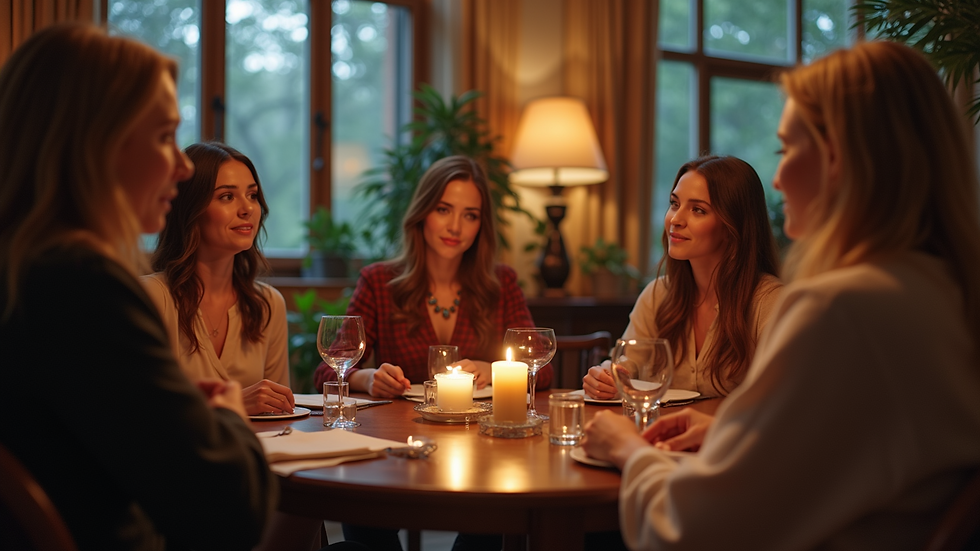
Women’s circles are gatherings where women come together to share their experiences and support one another. These circles often focus on personal growth, spirituality, and community building. Participants engage in discussions, share stories, and participate in activities that foster connection.
Online Forums
Online forums, such as those on platforms like Reddit or specialized websites, provide women with a space to connect and share resources. These forums allow women to discuss various topics, from career advice to personal challenges, in a supportive environment.
Workshops and Retreats
Workshops and retreats focused on women’s empowerment offer immersive experiences for personal growth. These events often include activities such as yoga, meditation, and skill-building sessions, allowing women to connect with themselves and each other.

Challenges in Creating Safe Spaces
While creating safe spaces is essential, it is not without challenges. Here are some common obstacles:
Resistance to Vulnerability
Many women may struggle with vulnerability, making it difficult to open up in a group setting. Encouraging a culture of trust and understanding can help alleviate this resistance.
Diverse Perspectives
Women come from various backgrounds and experiences, which can lead to differing opinions. It is crucial to foster an environment where all perspectives are respected and valued.
Maintaining Engagement
Keeping participants engaged over time can be challenging. Regularly introducing new topics, activities, and guest speakers can help maintain interest.
Tips for Sustaining Safe Spaces
To ensure the longevity of safe spaces, consider the following tips:
Regular Check-Ins
Conduct regular check-ins to assess the needs and feelings of participants. This feedback can help you adjust the space to better serve the group.
Evolve with the Group
As the group grows and changes, be open to evolving the safe space. This may involve introducing new topics, activities, or formats to keep the experience fresh and relevant.
Celebrate Milestones
Recognizing milestones, such as anniversaries or personal achievements, can help reinforce the sense of community and support within the group.
Conclusion
Creating safe spaces for women is a vital step toward fostering personal growth, empowerment, and community. By establishing clear guidelines, choosing the right environment, and encouraging participation, we can create supportive spaces that allow women to thrive. The benefits of these spaces are profound, leading to enhanced personal development, networking opportunities, and increased resilience.
As we continue to build and nurture these safe spaces, let us remember the importance of community and support in our journeys. Together, we can create environments where every woman feels valued, heard, and empowered to grow.
Call to Action
Consider starting or joining a safe space in your community. Whether it’s a women’s circle, a workshop, or an online forum, take the first step toward creating a supportive environment for yourself and others. Your journey toward personal growth and empowerment begins with a single step.

Comments